News
Sustainable Seafood Labels Aren’t Always What They Seem
Food•6 min read
Feature
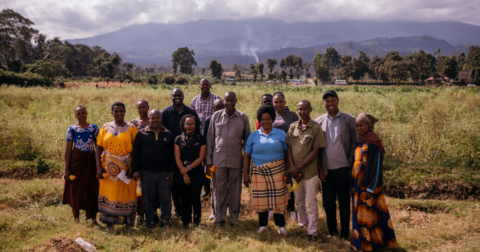
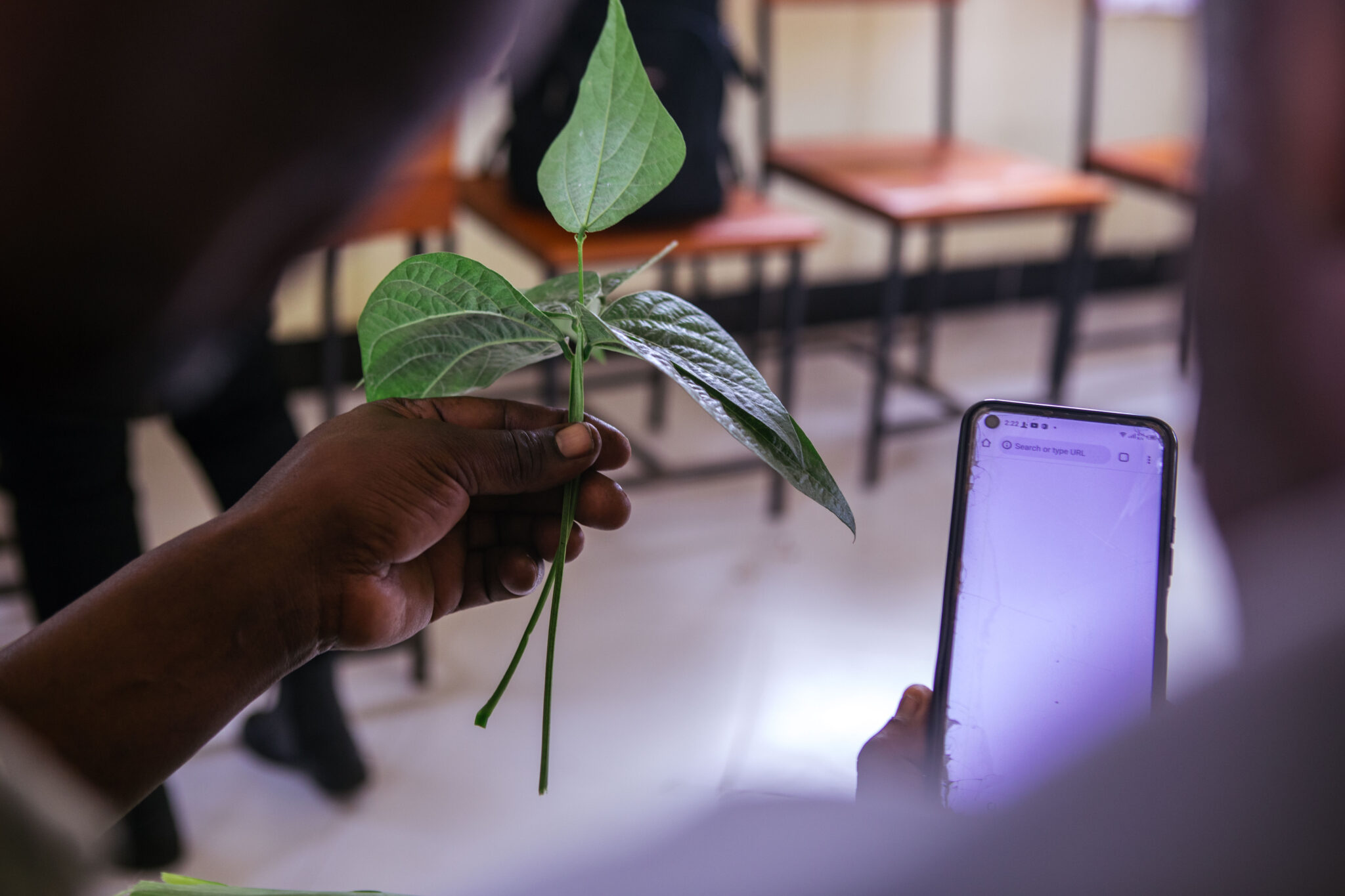
53-year-old Roland Daniel Sarikikya is captivated that his mobile phone, which he once used only for calls and texts, can diagnose crop diseases.

Words by Kang-Chun Cheng, The Xylom
This story was first published by The Xylom, a nonprofit news outlet covering global health and environmental disparities. Subscribe to their newsletter here.
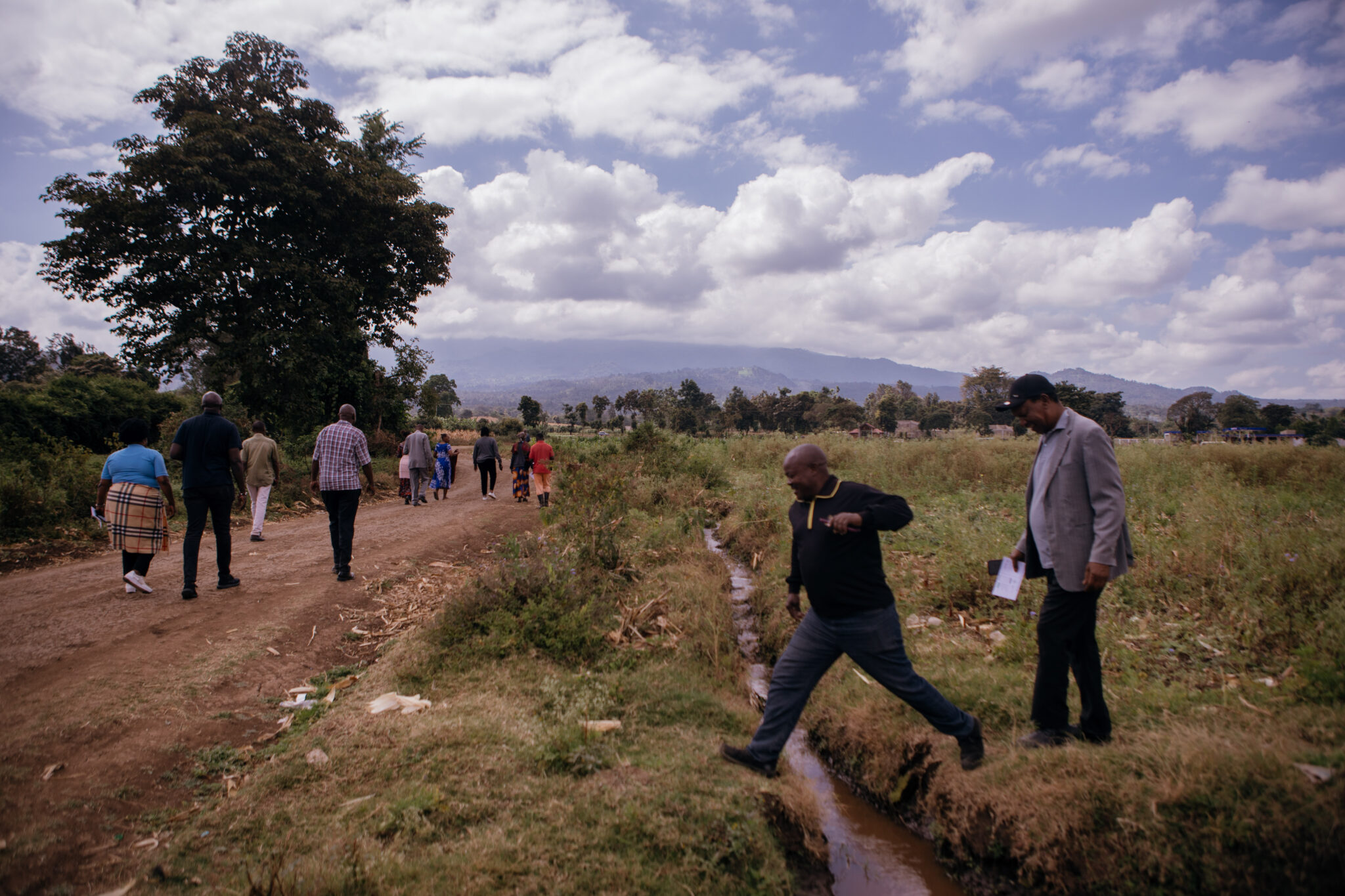
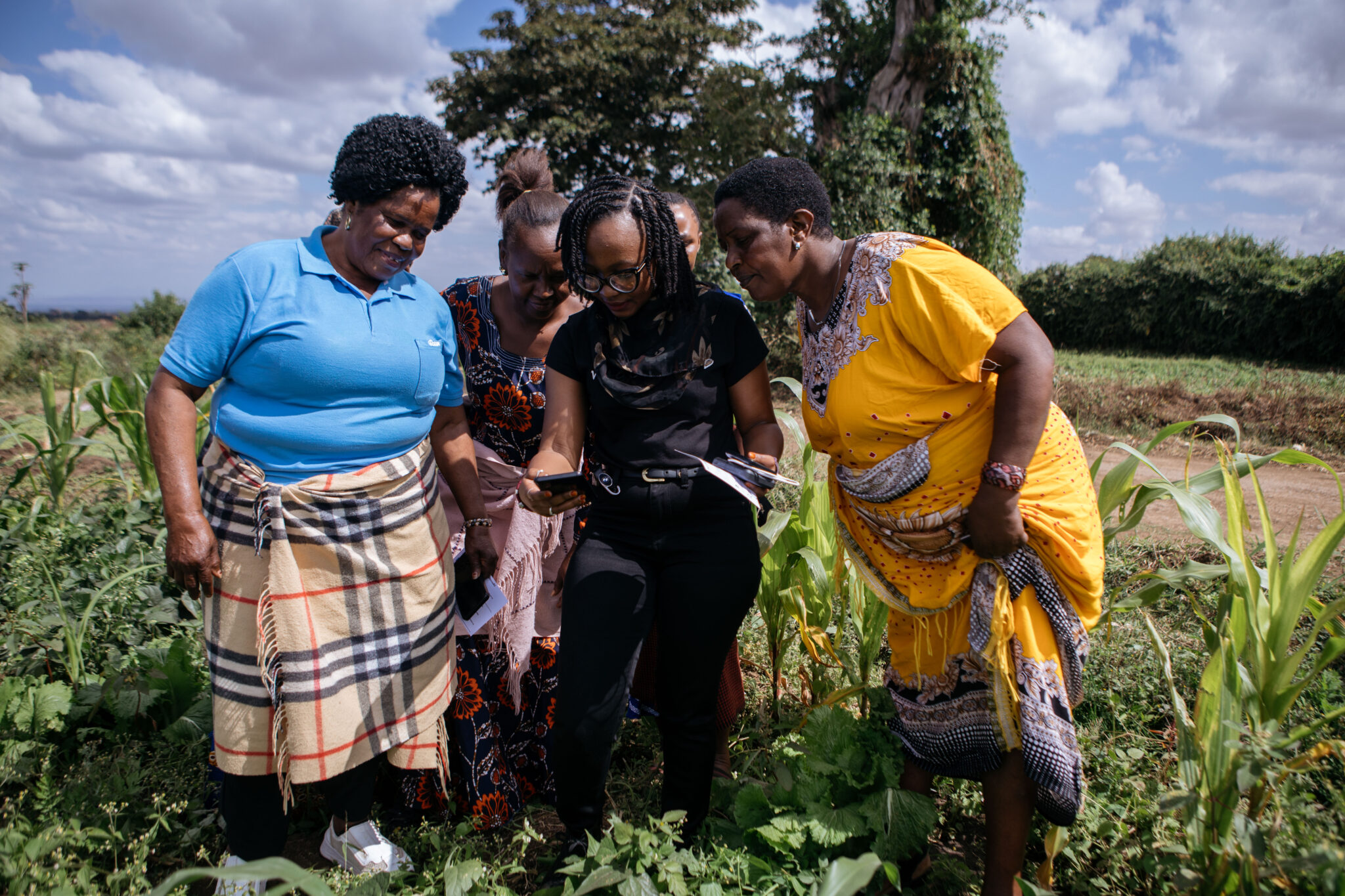
Against the backdrop of cumulus clouds and rolling valleys on a sunny August afternoon, Sarikikya points his phone at a maize plant with yellowing streaks in Seela Sing’isi Ward, a village in northern Tanzania’s Arusha Region. The KilimoAI app on his phone (‘Kilimo’ meaning agriculture in Kiswahili, Tanzania’s national language) quickly identified the likely cause as maize streak virus, one of Africa’s most serious viral plant diseases.
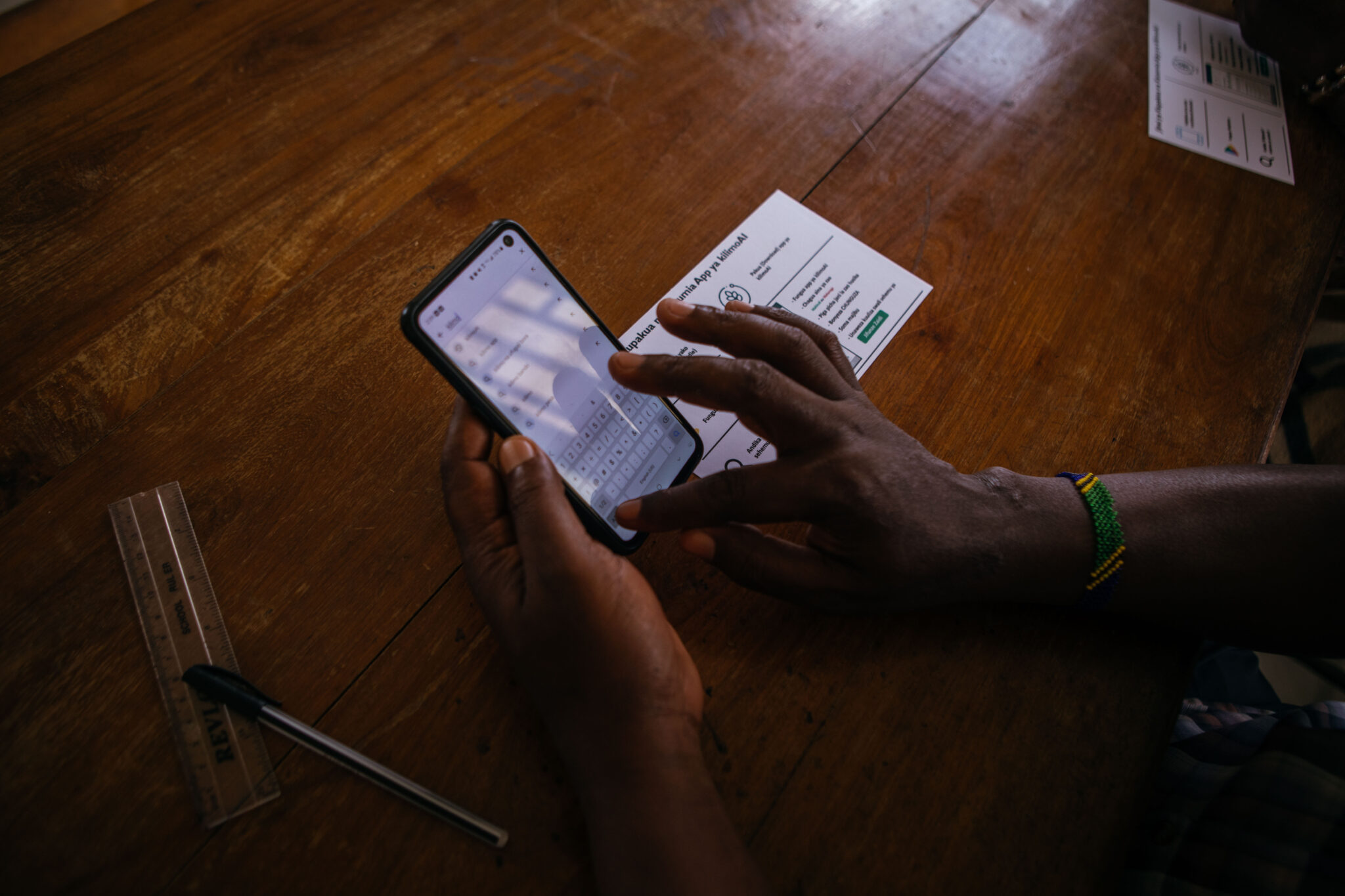
The application — the brainchild of 35-year-old computer scientist Dr Neema Mduma and her colleague Hudson Laizer — allows farmers to detect crop diseases early enough to provide timely interventions for cornerstone crops such as maize and common beans.
A lifelong farmer, Sarikikya learned farming from his parents, but never learned how to identify or treat crop viruses. “If there was a problem, I’d go to the shops and see what [the sellers] recommend,” he says.
Sarikikya no longer rushes to agro-input shops, which helps him avoid unnecessary chemicals and their costs. “Previously, I just used pesticides randomly, but this app makes my work easier,” he says. Sarikikya’s harvests from four acres of maize support his five children through school. With quicker pest diagnosis now possible, he faces fewer crop losses, better yields, and stronger economic returns.
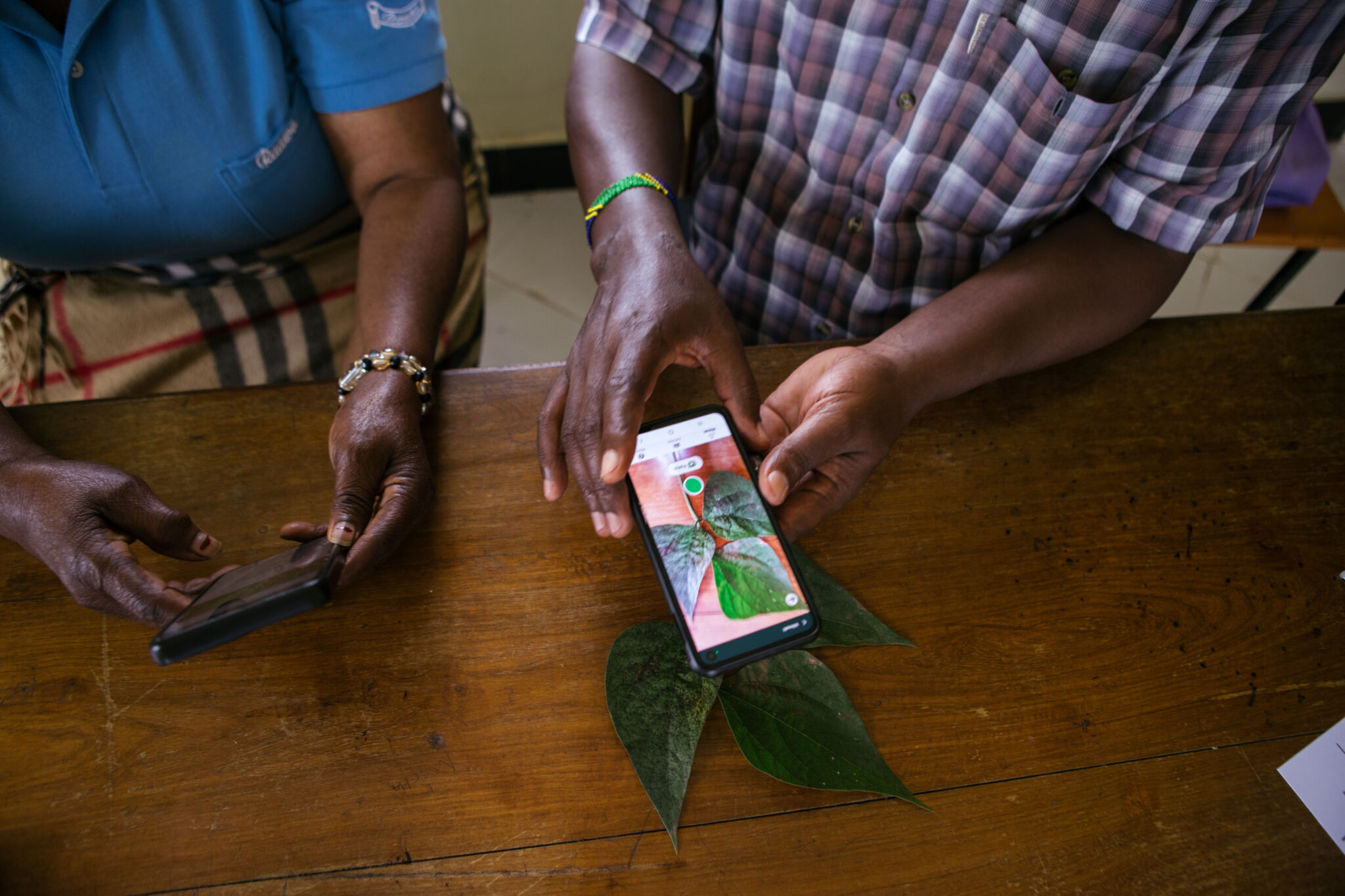
According to data from the Food and Agriculture Organization of the United Nations, plant pests are a major cause of crop losses across Africa, and losses of up to 80 % have been observed for particular crops. In Tanzania, where digital agricultural services are only just spreading, farmers still rely heavily on advice from agro-input shops, which often push the most profitable pesticides, raising costs and harming soil health. A 2025 study of smallholders and agro-input sellers in the Southern Highlands showed agro-dealers are a major information source and that they often steer farmers toward more pesticide use.
And that’s why Mduma’s application is a game-changer.
The pilot phase in the Arusha Region began in early August. Mduma’s initial interest was steeped in AI’s wide range of applicability — she homed in on agricultural impact as a means to engage with local communities in Tanzania.
Born and bred in the footsteps of Mount Kilimanjaro, the highest peak in Africa, Mduma grew up in a region supported by smallholder banana and coffee farmers. “I wanted to create something with basic features, using simple smartphones, which most people already have,” Mduma explains. She is a lecturer at Nelson Mandela African Institution of Science and Technology (NM-AIST), where she teaches four courses on data mining, machine learning, AI, and document engineering.
The Tanzanian Agriculture Research Institute, under the Ministry of Agriculture, helped Mduma and her five-member research team identify villages for KilimoAI development and subsequent rollout.
Farmers tend to be very interested in KilimoAI, she shares. “AI is popular — people are kind of addicted [to it],” she says.
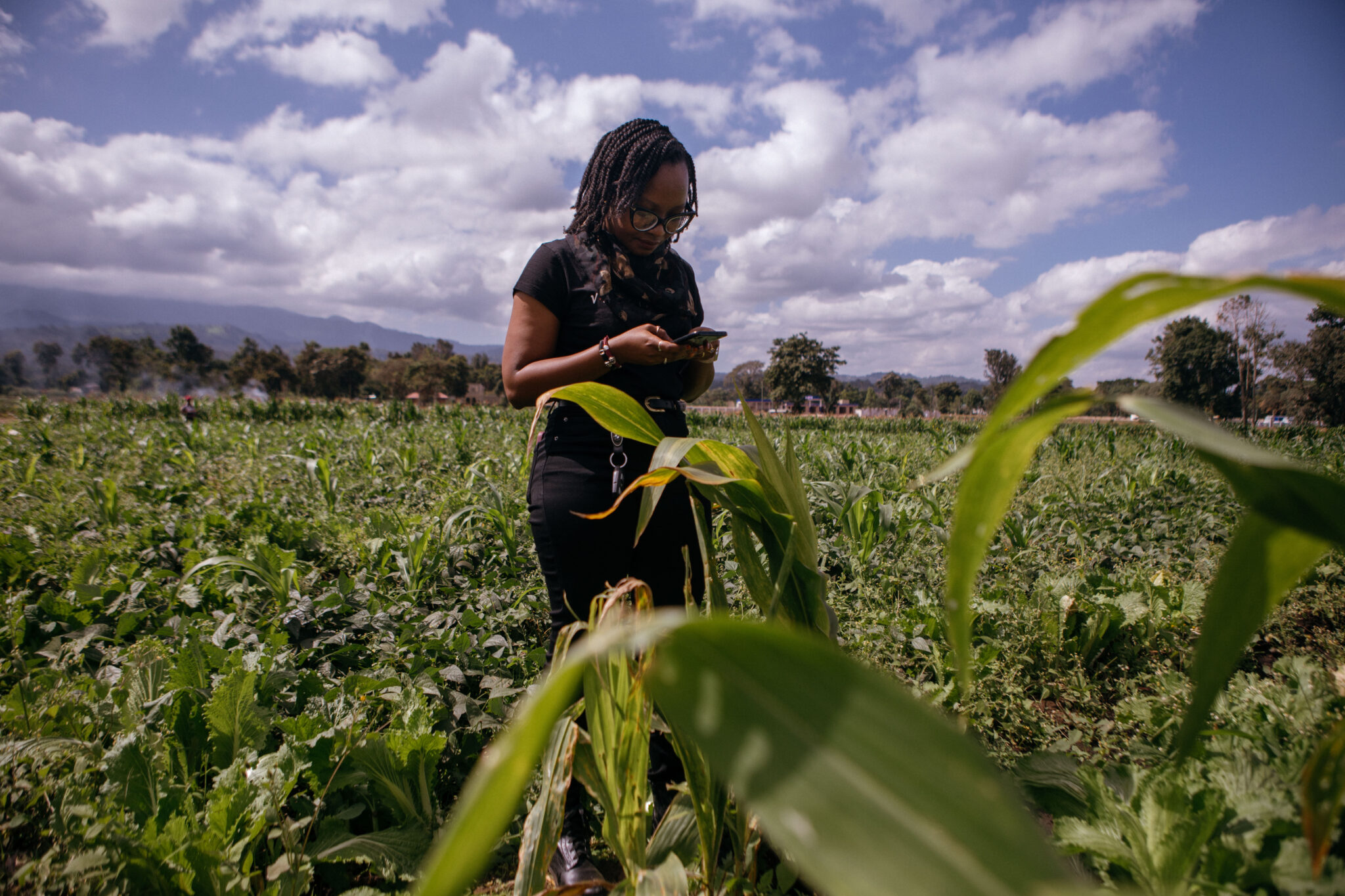
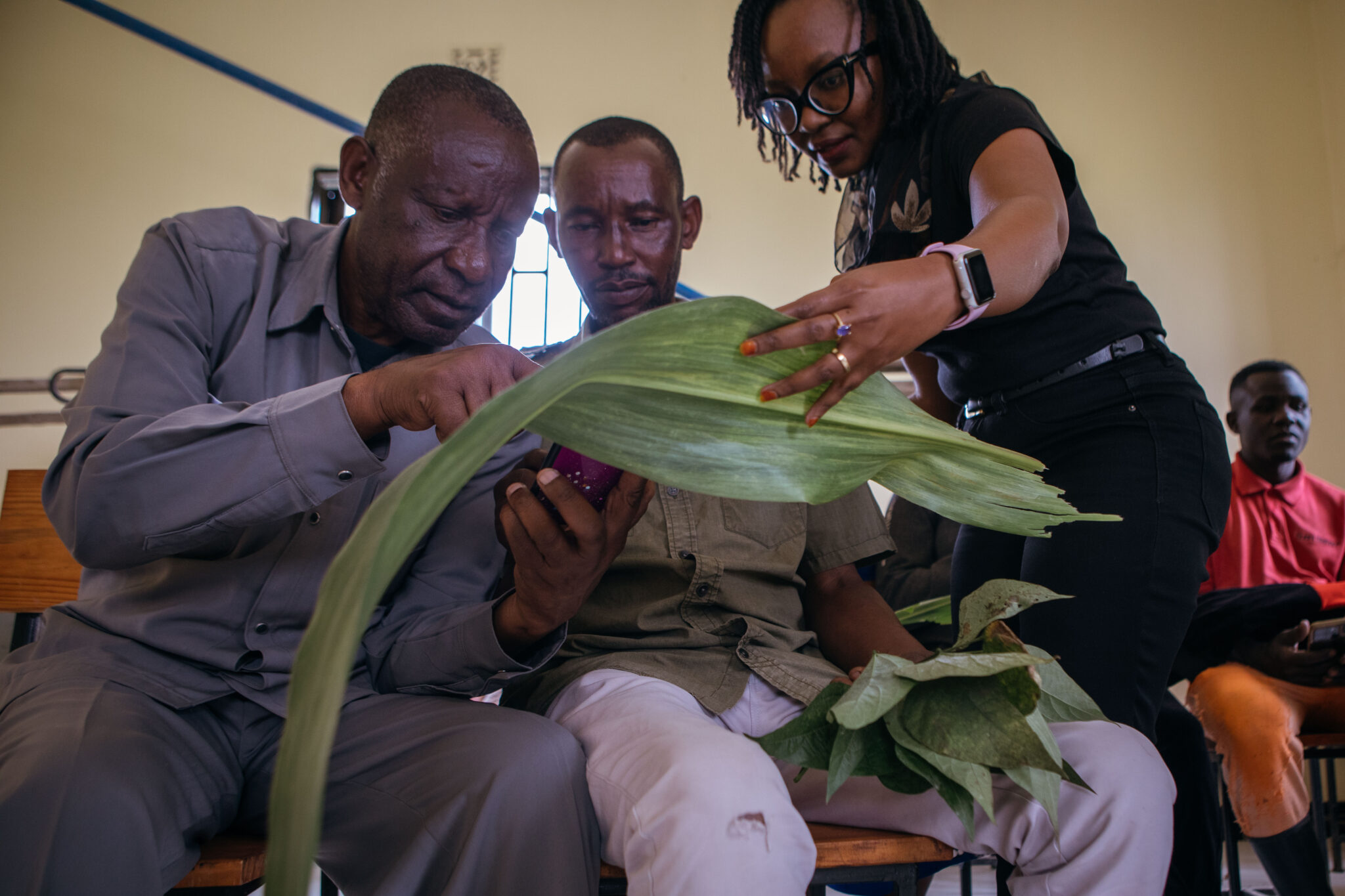
Mduma and her team continue refining KilimoAI to detect crop diseases in real time. Images collected through farmer use help fine-tune the model, making KilimoAI more accurate. As of August 2025, the app reached 63,000 farmers in Tanzania’s fertile Southern Highlands and northern region. They are expecting to reach 400,000 farmers by 2030.
The team has already developed and tested AI models for black sigatoka (a fungal disease of bananas), Fusarium wilt race I (a soil-borne fungal disease), early and late blight, and fungal and fungal-like diseases affecting Irish potatoes. Mduma plans to integrate these into the KilimoAI app soon.
Future plans include adding other prevalent East African crop diseases, such as maize lethal necrosis (viral) and bean anthracnose and rust (fungal).
“We are encouraging villagers to continue practising their use of this app,” says Sipora Silas Mtali, an agricultural extension officer with the Ministry of Agriculture. She has been monitoring KilimoAI’s uptake in Seela Sing’isi for the past two years.
While the U.S. mechanized agriculture decades ago, the use of AI-driven tools began gaining momentum around the 2010s. “Since 2010, sensor technologies, drones, and machine-learning modules have been part of U.S. agriculture,” says Grace Tiwari, a Ph.D. student in Entomology and International Agricultural Development at Pennsylvania State University.
Predictive models were developed to detect diseases — an example that reiterates the importance of AI in agriculture in all economies.
Researchers at the University of Florida’s Gulf Coast Research and Education Center developed and tested an AI-powered precision spraying system that identifies where herbicide should be applied, for example, holes in plastic mulch for tomatoes. This system was able to detect target areas 86% of the time and reduced herbicide usage by more than 90% compared to conventional broadcast spraying.
AI models help farmers predict the whole phenology of the pests, the timing of their life cycles, and their overwintering zones. Farmers find it supportive to use AI for the best pesticide application approaches, Tiwari says.
There are challenges in the U.S., too. Robust research is essential for AI-based pest and disease detection, especially as AI models and tools evolve rapidly. “Agriculture is influenced by diverse and unpredictable factors, so any AI system must be resilient across climates, regions, and field conditions. Much deeper, disease-specific research is needed to ensure precision and reliability in real-world farms,” Tiwari says.
If there’s one thing that cuts across countries — from Tanzania and Nepal to the U.S. and India — it’s that farmers are genuinely fascinated by AI. “South Asian farmers are beginning to explore how effective AI can be — in terms of cost, resource use, and its performance on small-scale farms. They are also weighing what the cost–benefit looks like in practical, day-to-day field conditions,” Tiwari says.
Tanzania has seen technological innovations tried before. The Tanzanian-German Integrated Pest Management (IPM) Project, managed by Christian Pantenius from April 1992 until April 1997, aimed to introduce safer, non-chemical ways to manage crop pests in Tanzania’s Shinyanga Region. He worked in the region when there was no internet, no electricity or water, no streets or information technology. “Nowadays, there are so many possibilities [with technology],” he says.
The project was successful. It lowered the recommended number of pesticide applications in cotton from six to no more than three per season, at times even down to zero. “We got good feedback from both farmers and the government,” he says.
But on revisiting the project site two decades later, Pantenius found that financial ties between the director of crop protection and chemical companies helped explain why the project, despite its capability, never gained traction.
“It’s a manifestation of capitalism, to be quite frank,” Pantenius tells The Xylom over an encrypted call. The consequences, he says, are borne by farmers—who pay the price with both their money and their health.
On the other hand, farmers are enthusiastically using KilimoAI. 35-year-old Catherine Ndetaiwa Manang toils across 3.5 acres of maize with her husband to feed and educate their three children. Taking a look at the maize stalk that she had just been photographing with her phone, she ran her fingers over the stalk’s rough surface. “This application is going to help,” she believes. “The early detection, perhaps, will increase the harvest.”
But in Tanzania, KilimoAI’s fate may hinge less on technology than on politics.
Laasya Shekhar contributed to the story.
KC is a Taiwanese American photojournalist based in Nairobi, Kenya, covering how environmental change impacts one's sense of belonging, foreign aid and outdoor adventure. Her work began in the Arctic and extends globally, including unfriendly places like eastern Ukraine, northern Mozambique and South Sudan — she can work in any environment with ease. KC's bylines include The Wall Street Journal, The New York Times, Nature Journal, Earth Island Journal, Christian Science Monitor, Bloomberg and Summit Journal.
News
Farms•7 min read
Investigation
A chemical additive helped stop fishmeal from catching fire on ships, but it carried a downstream carcinogenic risk to modern food systems.
Food•6 min read
Explainer
Three of the largest dairy co-ops market the vast majority of milk sales; some have expanded into milk processing and other parts of the dairy industry.Farmers say these organizations —…
Food•1 min read