News
Farmed Salmon May Not Be as Nutritious as It Once Was, New Research Suggests
Health•5 min read
Analysis
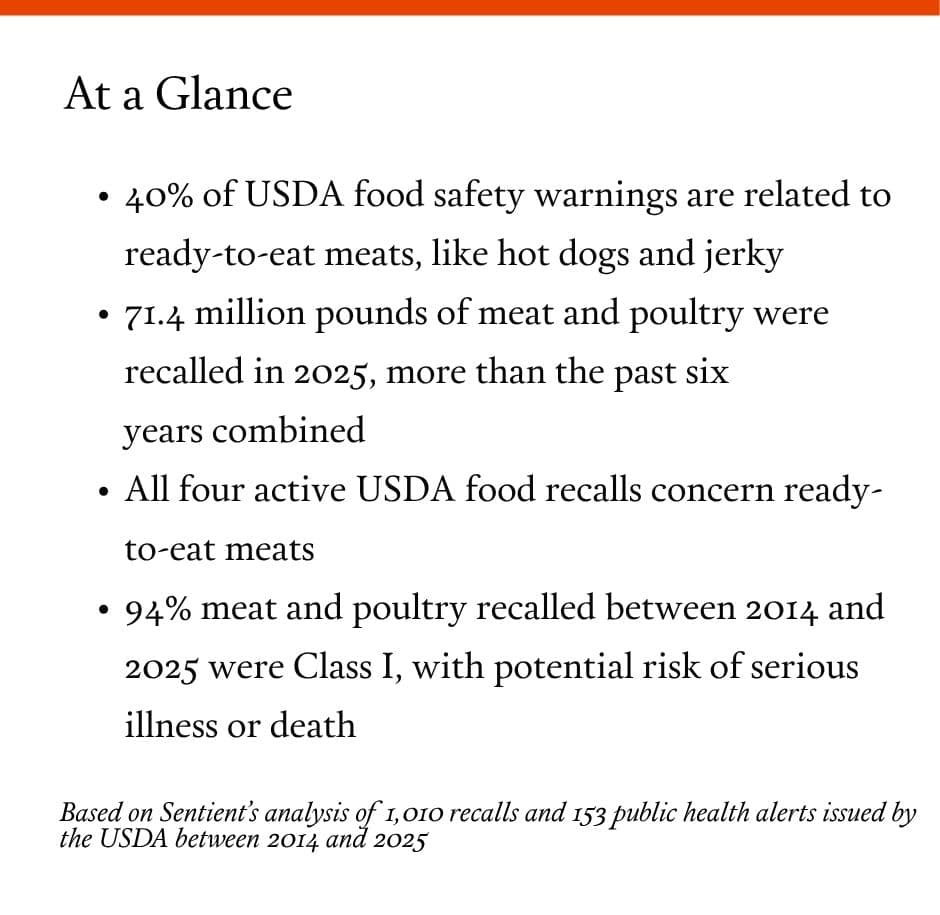
A Sentient analysis reveals that at least 40% of USDA food safety warnings over the past decade are linked to ready-to-eat meats, such as deli meats, hot dogs and pâté.
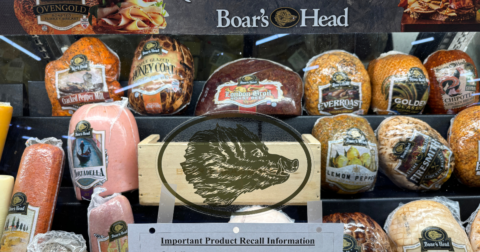
A staggering 37 million pounds of frozen chicken and pork products, much of it ready-to-eat, is no longer considered safe for consumption, after being shipped to retailers, including Trader Joe’s, across the U.S. and exported to Canada and Mexico. Four customers complained about glass shards in the food to the manufacturer, Ajinomoto Foods North America, which issued a recall and alerted regulators at the U.S Department of Agriculture. The federal agency notified the public in February, and again about an expanded recall in March.
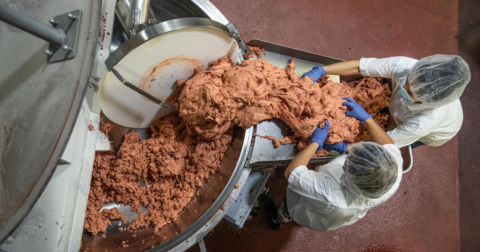
Both recalls remain in effect nationwide, representing two of the USDA’s four active recall alerts in effect. They all share the same culprit: ready-to-eat (RTE) meats, which can be eaten with minimal to no preparation, typically after more intensive processing to kill pathogens and extend its shelf life.
The only other recalls still underway, first announced by the USDA in 2025, involve pieces of metal and wood, respectively, found in BBQ pork jerky produced by meat snack manufacturer LSI, Inc. and chicken corn dog and turkey sticks produced by Foster Farms, California’s largest poultry producer. These recalls are part of a broader pattern of these widely accessible meat products being pulled from shelves, accounting for at least 40% of USDA food safety warnings between 2014 and 2025, according to Sentient’s analysis of public USDA data.
It’s easy to see the appeal of RTE meats: cheap, quick, protein-rich foods that can last longer in the fridge or shelves than uncooked meat. They’re the junk food of meat — hot dogs, salami, pâté, prosciutto, rotisserie chicken — often branded for quick consumption, while serving as an affordable staple of many diets. Yet these products carry an elevated risk for contaminants, foodborne illnesses and chronic diseases. And the consequences are often severe: the Centers for Disease Control (CDC) estimates there are 48 million cases of foodborne illnesses every year in the U.S., resulting in 3,000 annual deaths, with many outbreaks tracing back to RTE meats.
Earlier this month, the USDA alerted the public to a listeria outbreak that may have originated with contaminated pork deli meats, or headcheese, when it was discovered that three people were sick in Illinois. Headcheese — jellied meat moulded into a loaf, traditionally eaten cold — has emerged as the most likely source of this outbreak following a positive test result for the pathogen.
This is not a surprise to food safety experts because moist environments, which are typical for processing RTE meats, provide ideal conditions for listeria. “Listeria is one of those bacteria that does really well in what you often see in processing environments. They like the really moist environment,” says Ellen Shumaker, the director of outreach of North Carolina State University Extension’s evidence-based food safety programming.
Along with these food safety risks, a growing body of research has linked processed meats, including RTE meats, to chronic health conditions, such as colorectal cancer, cardiovascular disease and type II diabetes. The World Health Organization also classifies processed meats as carcinogenic to humans.
Sentient’s analysis highlights the scope of the public health risks as a consequence of RTE meat contamination and other risks introduced in the supply chain.
Meat and poultry recalls are typically initiated by the manufacturer notifying the USDA’s Food Safety and Inspection Service (FSIS), the agency responsible for ensuring the safety of the U.S. meat and poultry supply. The USDA investigates the concern, and if verified, issues a public recall notice warning consumers to avoid the affected products. If they are no longer being sold — or when a company refuses to recall the products — the agency instead issues a public health alert. (The USDA’s food safety warnings are limited to meat and poultry, whereas the U.S. Food and Drug Administration regulates a wider range of food and has a separate process for issuing and communicating recalls.)
Sentient examined 1,163 recalls and public health alerts — which will be collectively referred to as food safety warnings for the sake of simplicity in this article — in order to determine which USDA-regulated meat and poultry products tend to raise concerns. The findings are stark: perishable RTE meats account for at least four in ten of all of the USDA’s food safety warnings, underscoring the elevated health risks that come with some of the most widely accessible meats.
These results are an underestimate because the 40% figure includes only fully-cooked, perishable RTE meats. This excludes other RTE meats, including fully shelf stable meat like jerky and cured meats, that could not be reliably separated out in the USDA data. Still, a clear pattern emerged: RTE meats are a major driver of USDA food safety warnings, most often due to product contamination (pathogens or foreign material, like glass), followed by misbranding, undeclared allergens and products that had not undergone inspection before making it into the U.S. food supply.
Sentient did not receive a response from either USDA or Ajinomoto Foods to its request for comment before publication.
Although RTE meats are by the USDA’s definition “edible without additional preparation to achieve food safety,” Sentient’s analysis of food recalls and safety alerts — contributing to a growing body of evidence on the health risks of highly processed meats — shows that this promise of safety can be compromised. And the USDA acknowledges that RTE meat is susceptible to bacterial, physical and chemical contamination “as a result of the different ingredients and process steps these products may undergo.”
A high number of recalls due to bacterial contaminations in RTE meats didn’t come as a surprise to Donald Schaffner, distinguished professor and chair of the Department of Food Science at Rutgers University. Bacterial contaminants, like listeria, salmonella and E. coli, can result in severe health complications and even death to immunocompromised and high-risk groups, prompting Schaffner to urge caution while browsing the deli counter.
A bit of cooking can go a long way in reducing the risks posed by RTE meats by killing off potentially dangerous bacteria, he advises. According to the FDA, RTE meats should be heated up to 165°F to eliminate bacteria. “I would say, if you’re planning on eating raw deli meats, you shouldn’t, if you’re immunocompromised, just to be safe,” says Schaffner. He would also extend this advice to other RTE meats, like hotdogs and luncheon meats.“If you really have a hankering, you know, for a bologna sandwich, maybe make a fried bologna sandwich.”
The CDC recommends that pregnant women and people with weakened immune systems avoid unheated deli meat, cold cuts, hot dogs and meat spreads. But even people outside of these high risk groups may still want to avoid or reheat this type of meat, given that foodborne illnesses, like listeriosis (the disease caused by bacteria listeria), can still cause intense and draining symptoms of fever, diarrhea and muscle aches in healthy people.
Pâté, a spreadable paste made from minced meat, was behind a recent, fatal listeria outbreak in France. As of mid-March, there had been 12 illnesses and two fatalities after the individuals had eaten pâté en croûte, a French charcuterie dish with ground meat encased in a bakery crust, sold by Drôme Ardèche Tradition. In the U.S., a severe listeria outbreak in 2024 linked to Boar’s Head’s liverwurst pâté and other deli meats resulted in ten deaths and 59 hospitalizations.
Most food labels don’t mention the risk of eating RTE meats without reheating, particularly for vulnerable groups. “There was a big to-do around putting labels on raw meats, saying that it has to be cooked,” Schaffner says, referring to a 2016 rule. “And the industry pushed back on that for years.” He suspects that industry pushback is similar to why RTE meat products don’t include any advice on heating them prior to consumption, or warnings for vulnerable groups.
Just before Trump returned to office in 2025, the USDA released initial findings from an investigation into a 2024 listeria outbreak linked to Boar’s Head deli meats. The agency concluded that “inadequate sanitation practices” contributed to the outbreak, noting that a fan was “blowing condensate directly on products” in the plant’s RTE meat section.
A couple of weeks later, the Trump administration fired USDA General Inspector Phyllis K. Fong, who had served in this role since 2002 and was responsible for ordering the investigation.
This was the beginning of a drastic restructuring of the USDA. The mass firing of employees and the appointment of meat industry affiliates to top food safety positions have prompted concerns about the agency’s compromised regulatory capacity.
In a move backed by meat industry associations, the USDA recently proposed increasing line speeds in meat processing plants, which would reduce the time inspectors have to identify and discard meat that could be contaminated. Adding to concerns, the administration dissolved two advisory committees that had been helping steer the USDA’s strategies to decrease some of the worst risks to food safety, including microbial contamination.
One of those committees, the National Advisory Committee on Microbiological Criteria for Foods, was first established by the Secretary of Agriculture in 1988. It was “charged with answering big questions that FDA and USDA had around microbial food safety,” says Ben Chapman, department head of agriculture and human sciences at North Carolina State University. Chapman was appointed to the committee in 2023 and served until it was abruptly dissolved in March 2025.
“We were then told that the advisory committee was being disbanded and our work was essentially done,” says Chapman, who was part of a subgroup that had just finished drafting safety recommendations on infant formula when this news came. “There’s been really important reports that have come out of this [committee],” he says, including on reducing the risk of salmonella throughout the poultry supply chain.
These concerns, though not directly correlated to Sentient’s analysis, prompt questions about the USDA’s ability to detect health and safety issues in meat before entering stores.
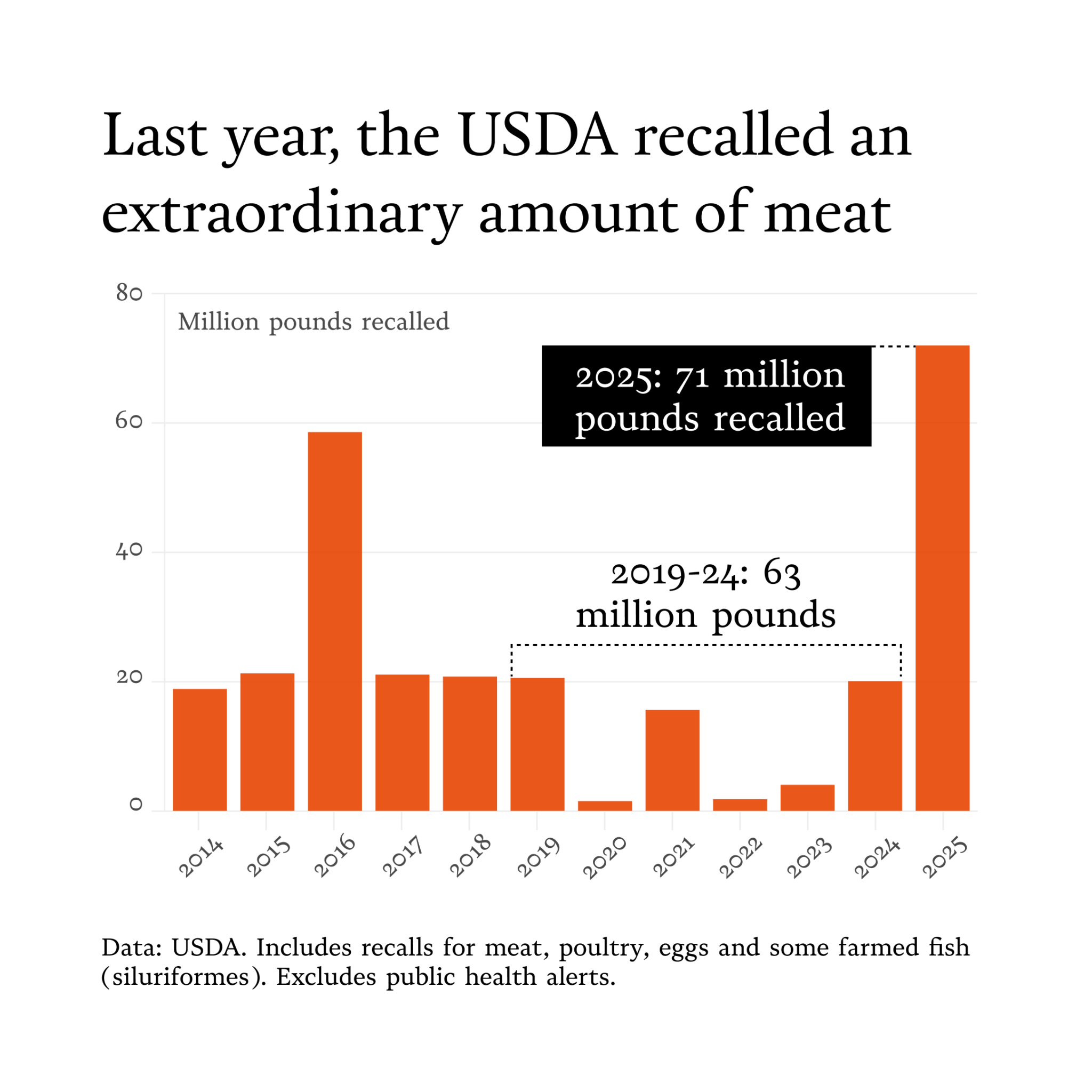
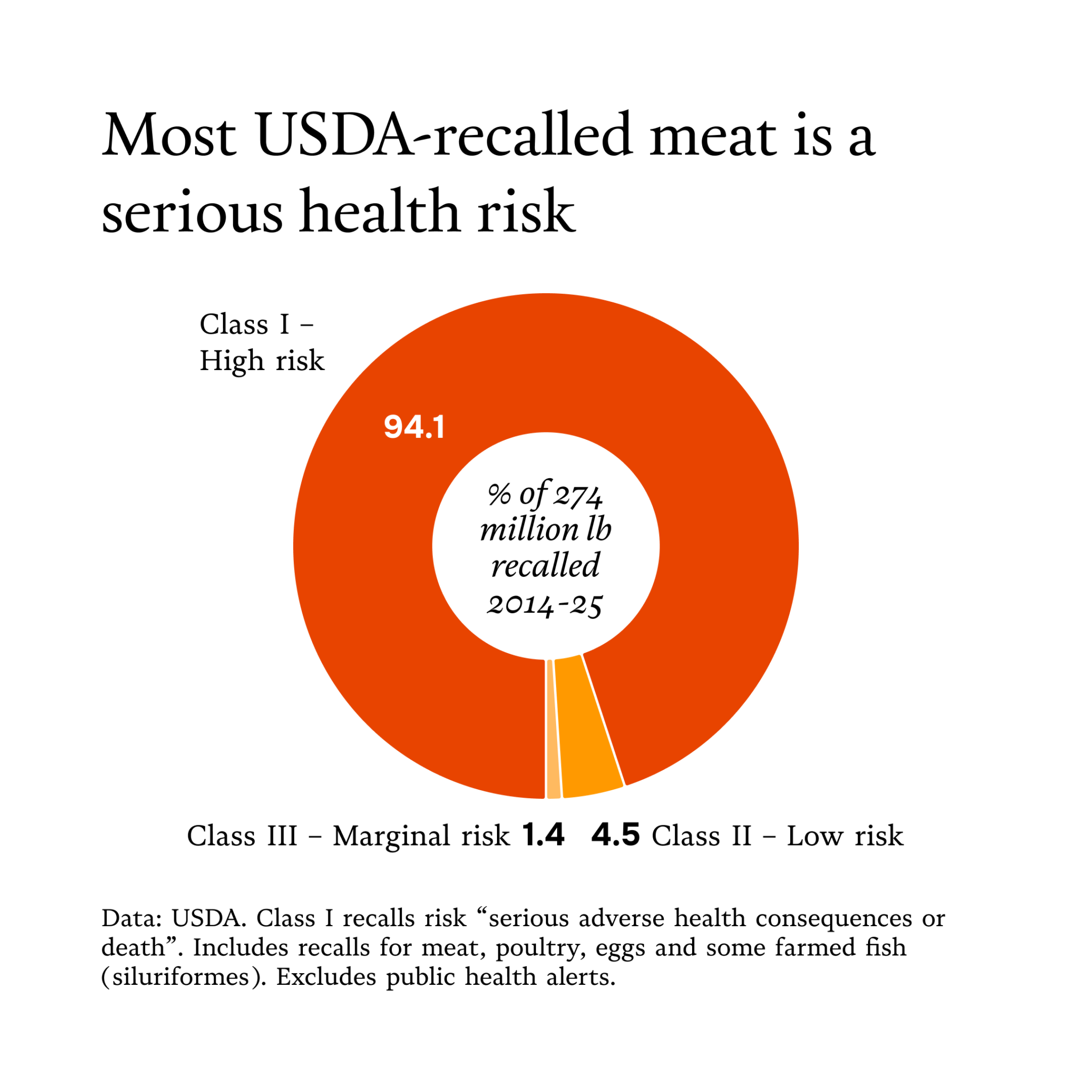
Based on the agency’s own data, the USDA alerted the public about a total of 71.4 million pounds of meat and poultry recalled in 2025, more than the past six years combined. Almost all of the meat and poultry recalled between 2014 and 2025, 94%, were categorized as a Class I risk, defined as a “health hazard situation where there is a reasonable probability that use of the product will cause serious, adverse health consequences or death.”
Last year also saw a sharp uptick in complaints to the USDA’s Food Safety and Inspection Service about meat and poultry concerns, which prompted some of the recalls, according to a recent USDA report.
So, what exactly is it about RTE meat that makes it more prone to contamination and other food safety concerns? It’s typically related to the production process, though risks can also be introduced through improper storage, cross-contamination in retail stores and a wide range of hazards throughout the supply chain, up until it is sold as “ready-to-eat.”
In the case of listeria, which resulted in four USDA recalls and six public health alerts in 2025, these meats are processed in the ideal conditions for this bacterium to grow.
“A big reason that we see high rates of recalls associated with RTE meats is you’re often seeing those associated with Listeria monocytogenes,” says Shumaker. And listeria risk doesn’t stop at production, but continues even after it’s packaged and refrigerated. “One of the really difficult parts about listeria is that it actually grows at refrigerated temperatures,” says Shumaker.
Beyond disease causing pathogens, unintended materials, like rocks and glass, could accidentally be introduced during RTE meats processing — in fact these materials were the top reason for USDA food recalls in 2025, accounting for almost all of the 71.4 million pounds recalled. Processing plants for meat and poultry are typically required to have procedures in place to mitigate this risk, but it can be hard to fully eliminate. The foreign object contaminants often stem from broken manufacturing machinery.
“When we’re seeing things like metal pieces, or maybe something like glass, that’s where we might see some breakdown in actual machinery that’s being used,” says Shumaker. In the case of Ajinomoto Foods, the glass originated with carrots produced by another company and mixed into their RTE chicken products, according to the USDA warning — an example of how multiple processing steps can introduce more opportunities for risk along the supply chain.
That said, Shumaker also notes that an increase in food recalls doesn’t always indicate an increase in risk; it could also indicate a greater capacity to detect risk.
“We’re getting better technology at identifying these things, and I think overall, “ she says. “Companies are finding ways to be more proactive in terms of identifying food and getting it off the marketplace quicker.”
Sentient accessed USDA data on recalls and public health alerts (PHAs) via the USDA recall API. After removing duplicate records in Spanish, 1,163 food safety warnings were identified, including 1,010 recalls and 153 PHAs issued between 2014 and 2025. Recall extensions were included as part of its original recall. They were then grouped by processing category, which was available for 91% of the food safety warnings. The processing category Fully Cooked – Not Shelf Stable, which contains only RTE meat products, comprised 463 food warnings (39.8% of the total) over the time period. Three other USDA processing categories contain at least some RTE meat products, so 39.8% is likely a substantial underestimate. Products can appear in multiple processing categories.
Figures for pounds of meat recalled by year, reason, and risk class are calculated directly from the USDA’s published annual summaries.
Clarification: the following sentence was edited to note the data pertains to the years 2014-2025: Almost all of the meat and poultry recalled between 2014 and 2025, 94%, were categorized as a Class I risk, defined as a “health hazard situation where there is a reasonable probability that use of the product will cause serious, adverse health consequences or death.” The following sentence was also edited to delete “when it was discovered that three people were sick in Illinois” to avoid confusion about the investigation: Earlier this month, the USDA alerted the public to a listeria outbreak that may have originated with contaminated pork deli meats, or headcheese.
“Jerky” was deleted from a description at the top of the piece as jerky is excluded from the report.

Grey is an award-winning investigative journalist with Sentient who is based in Durham, North Carolina. They have written for Civil Eats, The Guardian, The Atlantic, The New Republic, Al Jazeera, The New York Times, The Intercept, Guernica, The Nation, New York Magazine, Popular Science, Mother Jones, The American Prospect, Teen Vogue, Grist, Autostraddle and The Center for Public Integrity. Their articles have been anthologized in No Planet B, published by Haymarket Books, and The Best American Food Writing, edited by Mark Bittman.

Miriam Quick is a journalist who explores novel and diverse ways of telling stories with data. Her work has been published by the BBC and Scientific American. She is co-founder of the Loud Numbers data sonification studio (loudnumbers.net) and co-author of I am a book. I am a portal to the universe. (Penguin, 2020).

News
Health•5 min read
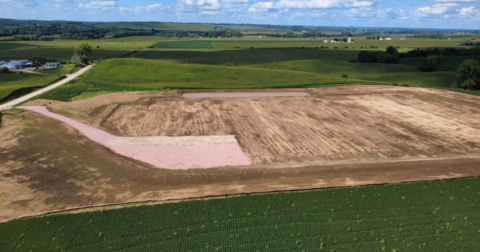
Monona County officials and residents fear a repeat of the communication gaps and loopholes that left them caught off guard by a plan to import treated slaughterhouse manure.
Health•9 min read
News
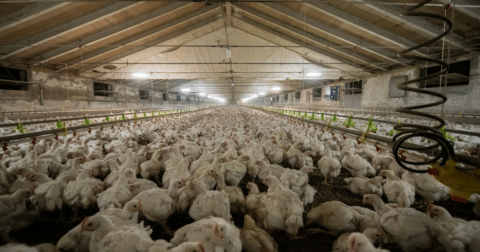
The rapid growth of chickens — now, 31 billion globally — has sped up pathogen evolution, boosting persistence, antibiotic resistance and spillover to humans.
Health•3 min read